



How Mosquito Nets are India's Shield as per World Health Organization
-
 LifeKrafts Admin
 - 2022-02-03
- 0 comments
 LifeKrafts Admin
According to the World Health Organization (WHO), mosquito nets are an important preventive measure that can help reduce exposure to mosquito bites and mosquito-borne diseases.
In India's monsoon season, vector-borne diseases remain a significant public health concern in many regions. Mosquito nets are widely recognized as an important component of integrated vector-control strategies. WHO has also evaluated newer insecticide-treated net technologies for use in areas affected by insecticide resistance.
India's 2025-2026 Vector-Borne Disease Situation
Dengue and Chikungunya Trends
- Dengue and chikungunya continue to be reported in several parts of India, particularly during and after the monsoon season.
- Chikungunya cases continue to be reported in several parts of India, highlighting the importance of ongoing vector-control measures.
Emerging CHPV and AES Threats
- Chandipura Virus (CHPV) triggered India's largest Acute Encephalitis Syndrome (AES) outbreak in 2024, with 245 cases and 82 deaths by August, mostly among children. WHO recommends vector-control measures, including protection from insect bites.
- WHO emphasizes vector-control measures and protection from insect bites in areas where disease-transmitting vectors are present.
- Public-health experts recommend combining multiple prevention strategies, including environmental management, vector control, and personal protective measures
WHO Guidance on Mosquito Nets for Vector-Borne Diseases
LLINs Beyond Malaria
WHO recommends the use of Long-Lasting Insecticidal Nets (LLINs) in appropriate settings and continues to evaluate evidence on the effectiveness of mosquito nets against vector-borne diseases.
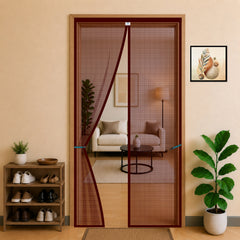
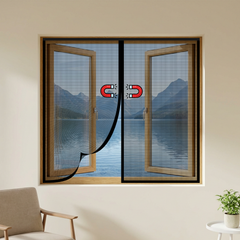
Different mosquito net solutions are available for various household environments and home mosquito protection needs, including options designed for windows, doors, and beds.
Readers interested in learning more about household mosquito protection and window mosquito net applications can explore our detailed guide, Dengue-Free Living: India's Home Upgrade to Window Mosquito Net.
Mosquito Nets and Vector-Borne Disease Prevention
In areas affected by vector-borne diseases, mosquito nets can support mosquito-borne disease prevention by helping reduce exposure to disease-carrying vectors when used correctly. WHO also recognizes the importance of broader environmental and vector-control measures in reducing disease risk.
Public-health agencies recommend combining mosquito nets with broader mosquito control and vector-control practices to achieve better protection against mosquito-borne diseases. Measures such as eliminating stagnant water, improving environmental sanitation, and reducing mosquito breeding habitats can complement the use of mosquito nets as part of a comprehensive prevention strategy. Readers interested in global recommendations can review the WHO vector control guidance for additional information.
Conclusion
As vector-borne diseases continue to affect communities across different regions of India, prevention remains an important component of public health and household safety. Effective mosquito prevention strategies can help reduce the risk of exposure to disease-carrying vectors. Mosquito nets, when used correctly and combined with broader vector-control measures such as environmental management and reducing mosquito breeding sites, can help reduce exposure to disease-carrying vectors. Staying informed about public-health guidance, adopting appropriate preventive practices, and selecting mosquito-protection solutions suited to individual living environments can contribute to a more comprehensive approach to mosquito-borne disease prevention.
Frequently Asked Questions (FAQs)
1. What mosquito-net technologies are referenced in current WHO guidance?
WHO has recommended certain dual-active-ingredient insecticide-treated nets for malaria prevention in settings where insecticide resistance is a concern.
2. Can mosquito nets help reduce exposure to vectors associated with Chandipura Virus?
Mosquito nets can help reduce contact with disease-carrying vectors and may contribute to lowering exposure risk when used alongside other preventive measures.
3. What factors should be considered when selecting a mosquito net?
Consumers may consider factors such as mesh density, durability, ventilation, ease of installation, and suitability for their living environment and household mosquito protection needs.
4. How long do new 2026 mosquito nets last in Indian conditions?
The lifespan of a mosquito net depends on its material quality, usage patterns, maintenance practices, and environmental conditions.
5. Are smart mosquito nets available in India amid VBD rises?
Research and innovation in vector-control technologies continue globally, although availability and adoption vary by region and product category.
Leave a comment